
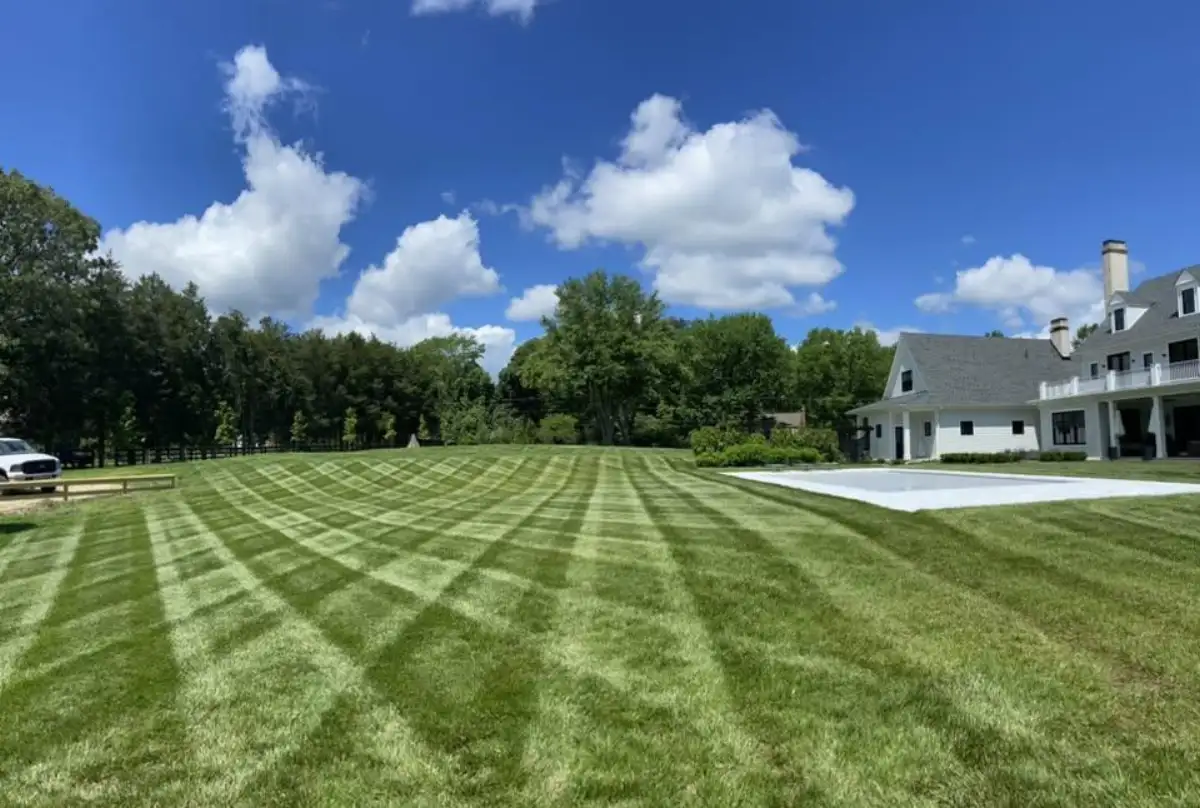
When homeowners search for lawn maintenance in Cape St. Claire, the first comparison is often price. Price matters, but it only makes sense beside a clear description of the work. Two quotes can look similar while covering different visit frequencies, edge work, cleanup, or first-service conditions.
The most useful questions settle those details before a crew arrives. Cape St. Claire properties can include open front lawns, shaded backyards, gates, play areas, mature plantings, and low sections that remain soft after rain. Each feature can affect how recurring service is planned. Start with the company’s lawn maintenance scope, then confirm that your address is within the Cape St. Claire service area.
Is recurring lawn maintenance the service you actually need?
Recurring maintenance is intended to keep an established lawn consistently neat. Schofield Outdoors describes its regular service as mowing, string trimming around obstacles, edging where the property calls for it, and blowing clippings from walks, patios, and driveways.
If the lawn is already heavily overgrown or covered by accumulated leaves, branches, or bed debris, ask whether a separate property cleanup should come first. Defining that starting point prevents a one-time reset from being mistaken for a standard maintenance visit.
What is included every visit—and what is separate?
Ask the company to describe a finished visit from the street to the backyard. Mowing is only one part of the result. String trimming reaches grass around fences, trees, posts, and other obstacles. Edging creates a defined line along hard surfaces. Blowing clears loose clippings from paved areas after the cutting is complete.
Seasonal leaf removal, hauling branches, weeding beds, pruning, and repairing thin turf are different tasks. If you need any of them, say so before the quote. A clear scope lets you compare companies on the same work instead of comparing one basic mowing price with a more complete property-care proposal.
How often will the lawn be serviced?
Ask whether the plan is weekly during active growth and how the service season is handled. Consistent timing helps prevent excessive growth between visits and supports a more even finish. It also gives you a predictable routine for unlocking gates, moving toys, and keeping pets inside.
Weather and growth rate still matter. Spring rain can accelerate growth, while hot or dry stretches can slow it. A useful answer should explain both the normal schedule and how the crew responds when conditions change.
What happens after heavy rain?
Saturated ground is not just a scheduling inconvenience. Equipment on soft turf can leave ruts or compact the soil, and wet clippings can collect in heavy clumps. Ask how rain delays are communicated and whether a visit is adjusted when only one part of the property remains too wet.
Point out low areas, shaded sections, drainage concerns, and narrow access before service starts. Those details help the crew understand why the front lawn may be ready while the backyard needs more drying time.
Which property details affect the quote?
Lawn size is only part of the workload. Slopes, current grass height, fenced sections, gate width, obstacles, trimming around landscape beds, and the distance between parking and the lawn can all shape the time and equipment needed.
Ask whether the company wants to see the property before finalizing the quote. When you first reach out, describe the front, side, and backyard areas; identify any access limits; and mention whether the property is currently maintained or needs an initial reset. That information leads to a more useful conversation than asking for a price based only on the address.
How should gates, pets, and lawn obstacles be handled?
Reliable weekly service depends on reliable access. Confirm whether gates must be unlocked before the crew arrives and how the company handles a yard that cannot be entered. Let the company know about pets, invisible fencing, irrigation heads, drain covers, low landscape lighting, play equipment, and anything else that may be difficult to see in taller grass.
Before each visit, move hoses, toys, small furniture, and loose objects from the turf. A clear lawn helps the crew work efficiently and reduces the chance that an item is damaged or an area has to be skipped.
How are clippings and seasonal debris handled?
Routine grass clippings and a seasonal leaf cleanup are not the same service. Ask whether clippings are mulched back into the lawn under normal conditions, collected when needed, or handled another way. Also confirm that paved surfaces are blown clean at the end of the visit.
For leaves, storm debris, or accumulated branches, discuss fall cleanup or property cleanup separately. Keeping those jobs distinct makes the recurring maintenance schedule easier to understand.
What should happen if the lawn starts thinning?
Regular mowing improves consistency, but it does not correct every turf problem. Compacted soil, bare areas, shade, or other site conditions may call for a different service. Ask the company to flag concerns rather than assuming a closer cut will make thin grass look fuller.
Where appropriate, aeration and seeding may be discussed as a separate seasonal service. The important distinction is that maintenance preserves the lawn’s routine appearance while turf improvement addresses a different goal.
A simple checklist before you book
- Confirm the recurring visit frequency and service season.
- Ask which areas receive mowing, trimming, edging, and hard-surface cleanup.
- Describe gates, slopes, wet areas, pets, and narrow access.
- Separate initial overgrowth or debris cleanup from weekly maintenance.
- Clarify rain-delay communication and the best contact method.
- Make sure both quotes cover the same areas and tasks before comparing price.
Ready to get answers for your property? Contact Schofield Outdoors for a lawn maintenance quote or call (410) 656-3182. Share your Cape St. Claire address, the areas you want maintained, and any access or current-condition details that may affect the first visit.